
Venting Systems That Support Business Operations
Commercial Chimney Services in North Platte and surrounding areas for businesses with heating equipment and venting systems requiring routine maintenance
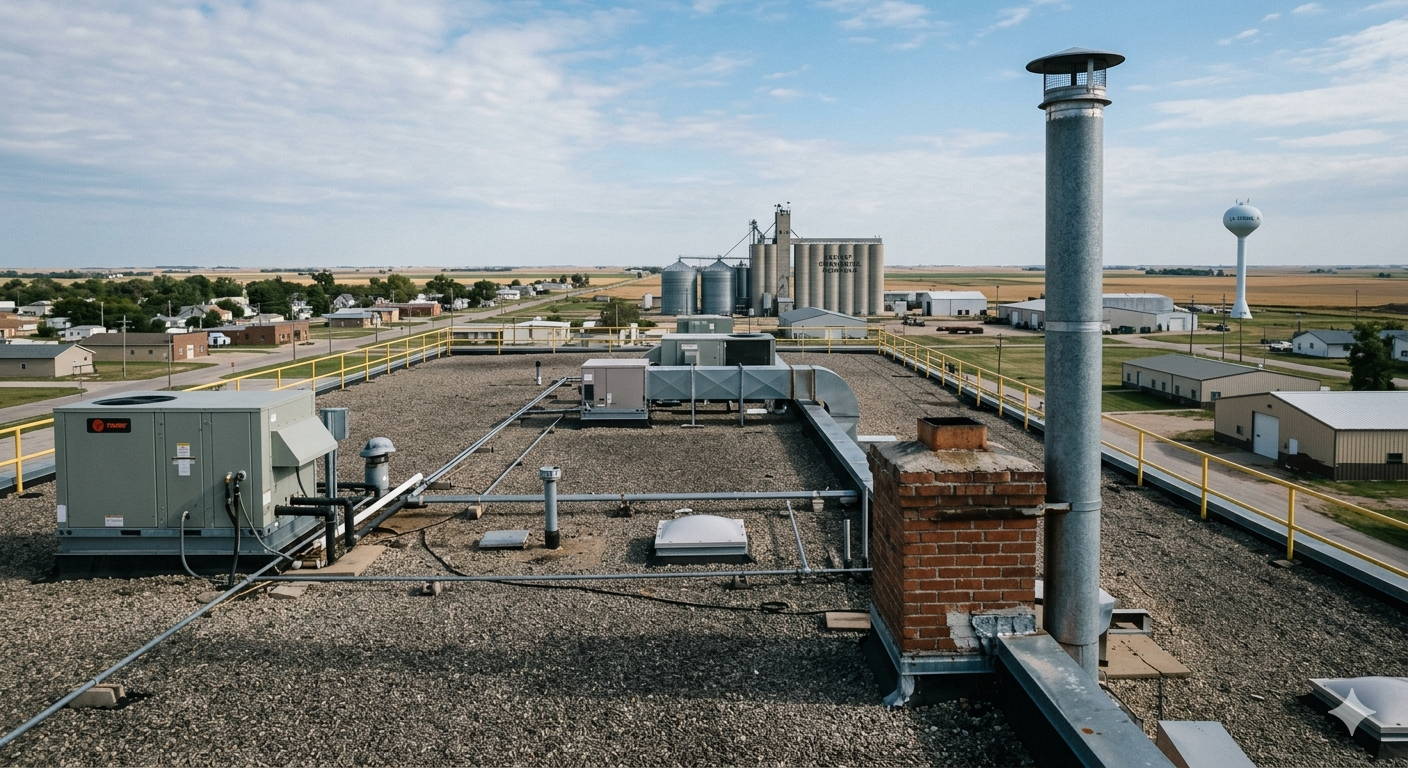
A restaurant kitchen exhaust chimney clogged with grease residue or a retail building's heating system flue blocked by debris creates fire hazards and forces equipment to operate inefficiently or shut down entirely. Commercial properties—including restaurants, office facilities, agricultural operations, and retail buildings—rely on chimney and venting systems to remove combustion gases, exhaust fumes, and heat byproducts safely. McNeel Solutions delivers commercial chimney services in North Platte, Sidney, Kearney, and surrounding areas that include cleaning, inspection, and maintenance designed to prevent blockages, identify structural concerns, and support reliable year-round operation across Nebraska's diverse business properties.
Commercial chimney systems differ from residential installations in scale, usage intensity, and the variety of equipment they serve. Restaurants vent cooking appliances that produce grease-laden exhaust, agricultural buildings vent grain dryers and heaters that generate high volumes of particulate, and office complexes vent boilers and furnaces operating continuously throughout the heating season. Each application produces specific types of buildup—grease, creosote, soot, or ash—that accumulate faster under commercial use patterns and require removal before they restrict airflow or ignite.
Schedule a facility assessment to evaluate your commercial venting systems and establish a maintenance plan aligned with equipment use and seasonal demand.
How Maintenance Addresses Performance and Fire Prevention
Commercial chimney cleaning involves removing accumulated soot, creosote, grease, and debris from flue interiors using brushes, scrapers, and vacuums sized for larger commercial flue dimensions. Inspections identify cracked masonry, deteriorated flue liners, damaged chimney caps, and blockages from animal nesting or structural failure. The process also includes checking draft adequacy, clearance from combustible materials, and proper termination height above rooflines. For facilities with multiple venting systems, each flue serving different equipment is evaluated separately.
After service, heating equipment operates with restored draft efficiency, exhaust gases exit completely without backdrafting into workspaces, and the risk of chimney fires from ignited buildup decreases substantially. Facility managers receive documentation of findings, including photographs of problem areas and prioritized recommendations for repairs or component replacement. This record supports compliance planning and helps schedule future maintenance before issues escalate.
Nebraska's seasonal weather patterns increase demand on commercial heating systems during colder months, accelerating buildup rates and placing greater stress on venting infrastructure. Facilities operating heating equipment continuously or burning solid fuels benefit from pre-season inspections and mid-season cleaning to maintain safe, efficient operation throughout winter. Agricultural properties using grain dryers face particularly heavy particulate loads that require more frequent attention than standard heating equipment.
Answers to Frequent Service Questions
Property owners and facility managers often ask about service frequency, what inspections reveal, and how maintenance schedules should align with equipment use.
McNeel Solutions works with commercial property owners and facility managers to maintain safe, compliant venting systems across varied business applications. Reach out to (308) 520-3609 to discuss your facility's chimney maintenance needs and schedule inspections or cleaning services tailored to your equipment and operational schedule.
What types of businesses need commercial chimney services?
Restaurants with kitchen exhaust systems, office buildings with boilers or furnaces, agricultural facilities with grain dryers, retail properties with wood or pellet heating, and any commercial structure venting combustion equipment require routine chimney maintenance.
How often should commercial chimneys be serviced?
Facilities in North Platte using heating equipment daily during winter typically need annual inspections and cleaning, while high-use operations like restaurants or agricultural properties with grain dryers may require service twice yearly or more depending on buildup rates.
What do commercial chimney inspections identify?
Inspections reveal cracked flue tiles, deteriorated mortar joints, damaged chimney caps, obstructions from debris or nesting, improper venting configurations, and draft issues that affect equipment performance and safety.
Why does buildup occur faster in commercial systems?
Higher usage intensity, continuous operation during business hours, and specific fuel types or processes—such as grease-producing cooking or high-particulate grain drying—generate heavier deposits than residential heating systems.
When should inspections be scheduled?
Late summer or early fall allows time to address findings before heating season increases equipment demand, though restaurants and facilities operating year-round benefit from service during slower business periods to minimize disruption.