
Fireboxes Cleared for Safe Operation
Fireplace Cleaning in North Platte and surrounding areas for removing combustible residue from frequently used and seasonal systems
Soot and ash accumulate inside fireplace components with every fire, coating fireboxes, grates, and dampers with combustible residue that reduces airflow and creates ignition risks during subsequent use. Cleaning removes these deposits and clears debris that builds up over time, maintaining both the appearance and safe function of wood-burning systems. McNeel Solutions provides fireplace cleaning in North Platte, McCook, Ogallala, and neighboring communities for homes that use fireplaces regularly during Nebraska's extended heating season and for seasonal systems that require preparation before winter operation begins.
The cleaning process addresses soot buildup on interior surfaces, ash deposits that restrict airflow through grates, and debris that falls into fireboxes from deteriorating components or chimney interiors. Routine cleaning prevents residue from accumulating to levels that interfere with proper combustion and draft.
Schedule fireplace cleaning service to remove buildup and prepare systems for consistent use.
What Changes After Fireplace Components Are Cleaned
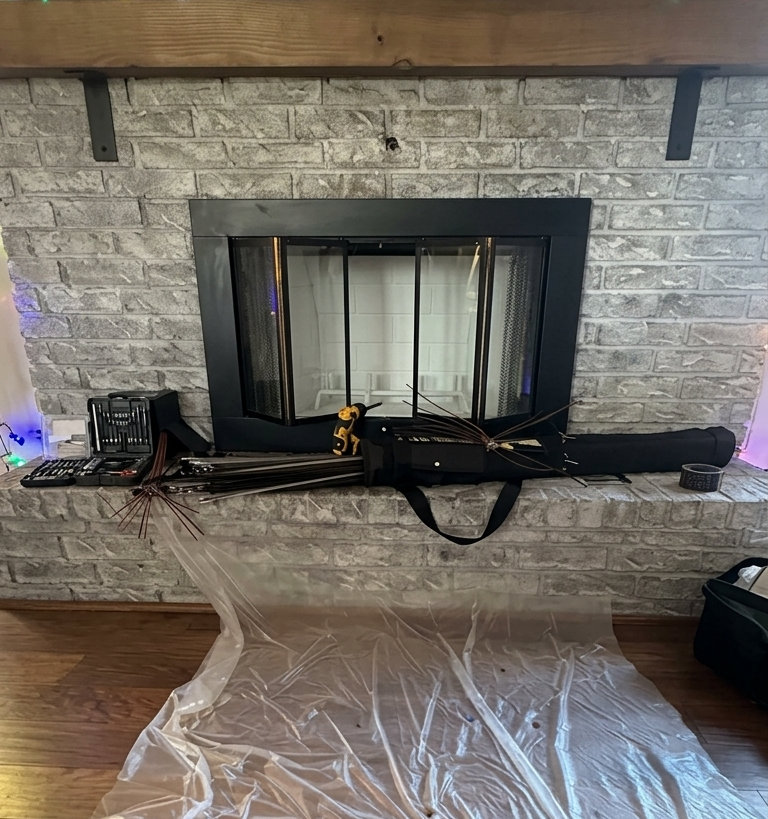
Cleaning involves removing soot from firebox walls, clearing ash from beneath grates, and wiping down accessible components to eliminate combustible residue. The process restores airflow through grate openings and damper mechanisms, which become clogged when ash and soot accumulate in gaps and moving parts.
After cleaning, fires ignite more easily and burn with better airflow because ash no longer restricts oxygen flow through fuel beds. Living spaces stay cleaner during the heating season as reduced soot buildup means less residue escapes into rooms when fireplace doors are opened or closed, and glass doors remain clearer longer without constant film accumulation.
Cleaning maintains efficient operation by preventing ash from insulating grates and reducing heat transfer, and by keeping dampers free to open and close fully. Regular service also extends the life of fireplace components by removing corrosive residues before they cause permanent staining or deterioration of metal and masonry surfaces.
What Homeowners Ask About Fireplace Cleaning
Questions about cleaning frequency and what the service addresses come up often among North Platte area homeowners.
McNeel Solutions cleans fireplace components to remove soot, ash, and combustible residue that affect appearance and safe operation. Contact us to schedule cleaning before seasonal use begins.
What does fireplace cleaning remove?
Cleaning removes soot from firebox walls and glass doors, clears accumulated ash from grates and fireboxes, and eliminates debris that falls into the firebox from chimney interiors. The service addresses combustible residue that builds up with regular use.
How does routine cleaning improve safety?
Removing combustible residue reduces ignition risks from accumulated soot and ash. Cleaning also maintains airflow needed for complete combustion, preventing incomplete burning that produces excess smoke and creosote formation in connected chimney systems.
Why clean fireplaces before the heating season?
Starting winter with clean components ensures efficient operation from the first fire and prevents residue from the previous season from interfering with draft or combustion. Pre-season cleaning also makes it easier to identify any damage or wear that developed during months of inactivity.
What improves in frequently used fireplaces after cleaning?
Fires start faster with better airflow, glass doors stay clearer because less soot accumulates between cleanings, and living spaces remain cleaner as reduced residue means less tracking of ash and soot into adjacent rooms during routine fireplace use.
How often should fireplace components be cleaned?
Homes that use fireplaces multiple times per week benefit from mid-season cleaning in addition to annual pre-season service. Seasonal users typically need cleaning once per year before winter operation begins to remove residue from the previous heating season.