

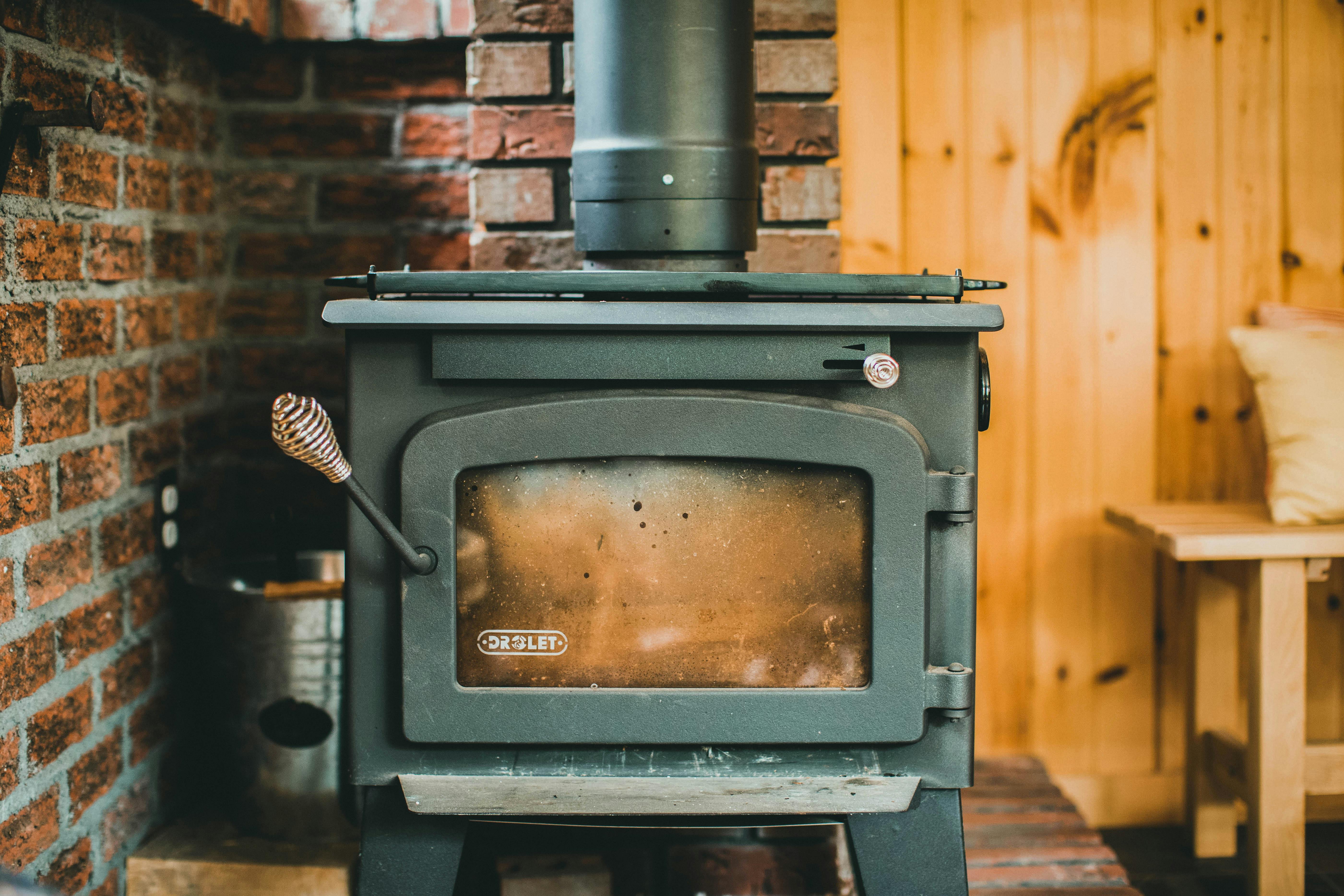
Systems That Burn Clean All Season
Wood Stove Cleaning in North Platte and surrounding areas for properties relying on supplemental wood heat during winter months
Creosote accumulation inside wood stove systems restricts airflow, reduces heating efficiency, and creates conditions that can ignite inside the flue. McNeel Solutions provides wood stove cleaning in North Platte, Kearney, Sidney, and neighboring communities for homeowners who use wood as a primary or supplemental heat source throughout Nebraska's cold months. Routine removal of ash, soot, and creosote buildup restores safe operation and prevents the layered deposits that contribute to chimney fires.
Wood stove cleaning addresses the byproducts of combustion that settle on interior surfaces over time. Ash collects in fireboxes and restricts air intake, while creosote—a flammable tar-like substance—condenses on cooler flue surfaces when wood burns at lower temperatures. Removing these materials restores proper draft, improves heat output, and eliminates the fuel source for potential fires. Homes that burn wood frequently require cleaning at least once per season, and sometimes more often depending on wood moisture content and burn patterns.
Schedule a wood stove evaluation to determine current buildup levels and establish a cleaning timeline for your system.
What Routine Maintenance Prevents Long-Term
Wood stove cleaning removes creosote from stovepipe sections and interior flue walls using specialized brushes and tools designed for the diameter and configuration of your venting system. The process includes clearing ash from the firebox, inspecting visible gaskets and seals for deterioration, and checking door latches for proper closure. Creosote appears in three stages—flaky, tar-like, or hardened glaze—and each requires different removal methods.
After cleaning, you'll notice stronger draft when lighting fires, more consistent heat output as air moves freely through the system, and less smoke entering the room during door openings. The firebox operates more efficiently when ash levels remain below the air intake openings, and the risk of a chimney fire drops significantly once creosote deposits are removed. McNeel Solutions ensures that venting passages remain clear and that combustion byproducts exit the structure as intended.
Cleaning frequency depends on how often you burn wood, the type of wood used, and how completely it combusts. Softwoods and wood with high moisture content produce more creosote than seasoned hardwoods burned at higher temperatures. Homeowners who burn daily throughout winter typically need cleaning before the season begins and again midway through, while occasional users may only require annual service.
Questions Before Scheduling Your Service
Wood stove owners in North Platte and surrounding areas often ask about cleaning frequency, what the process involves, and how to recognize when service is needed.
McNeel Solutions services wood stove systems throughout the heating season and offers pre-season maintenance to prepare systems for safe, efficient operation. Contact us at (308) 520-3609 to arrange wood stove cleaning and confirm your system is ready for reliable use during Nebraska's coldest months.
How often should wood stoves be cleaned?
Homes burning wood daily during Nebraska's heating season typically need cleaning at least once annually, and often twice if wood consumption is high or if burning softer woods that produce heavier creosote deposits.
What does wood stove cleaning involve?
The process includes removing ash from the firebox, brushing creosote from stovepipe sections and flue walls, clearing debris from the chimney cap, and inspecting door seals and gaskets for signs of wear or air leaks.
What indicates a wood stove needs cleaning?
Reduced draft, difficulty starting fires, smoke backing up into the room, or visible creosote buildup thicker than one-eighth inch all signal that cleaning is overdue.
Why does creosote form in wood stoves?
Creosote condenses on cooler interior surfaces when wood burns incompletely, which happens more often with unseasoned wood, restricted airflow, or fires that smolder rather than burn hot.
When should wood stoves be serviced?
Scheduling cleaning before heating season begins ensures systems operate safely from the first fire, and mid-season service may be necessary for homes burning wood heavily throughout winter.