
Eliminating Threats Before Structures Are Damaged
Hazardous Tree Removal in North Platte and surrounding areas for properties with dead, storm-damaged, or structurally compromised trees
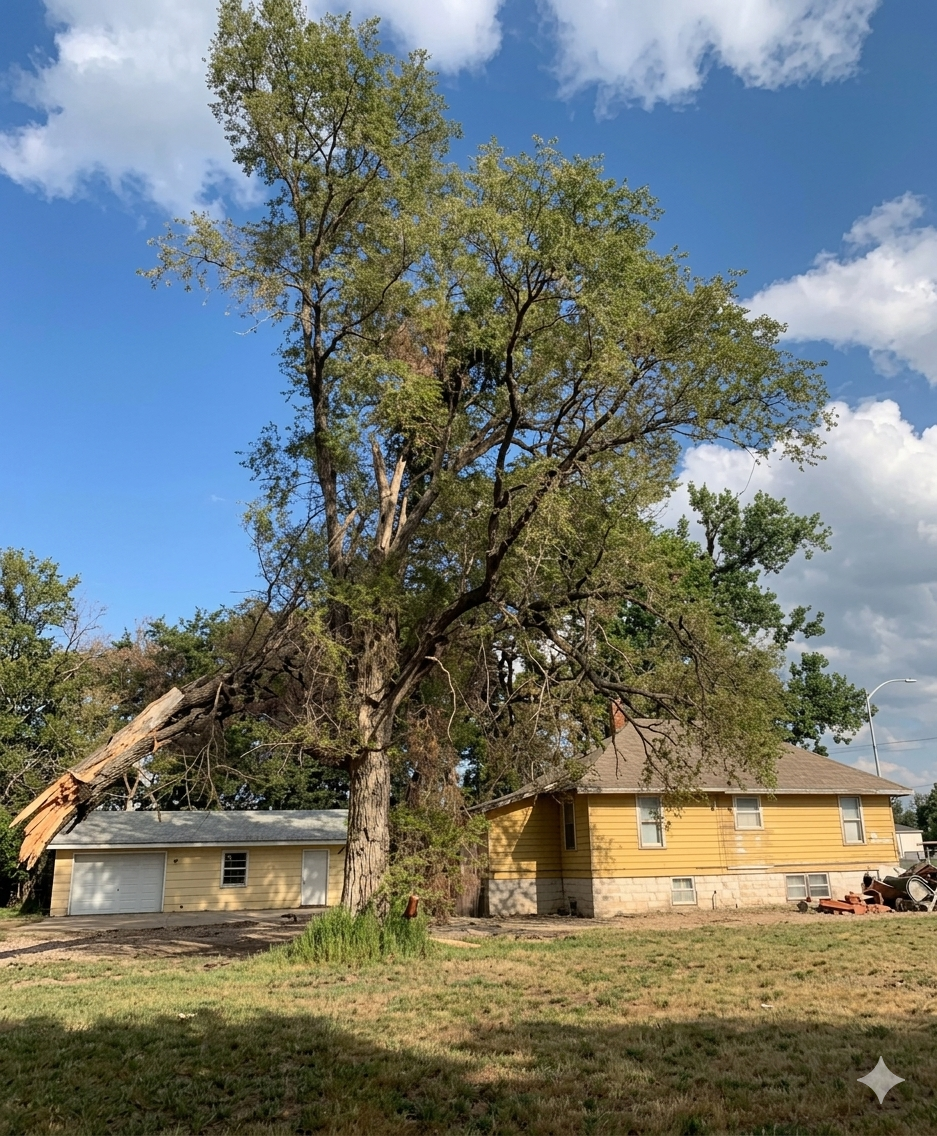
Severe leaning after a windstorm, visible trunk decay, or large dead limbs hanging over a roof all signal that a tree has moved from landscape asset to liability. McNeel Solutions provides hazardous tree removal in North Platte, Valentine, McCook, and neighboring communities for residential and commercial properties where trees threaten homes, vehicles, utility lines, or people due to disease, storm damage, structural instability, or death. Nebraska's wind events and sudden weather shifts accelerate tree decline and create dangerous conditions that worsen rapidly once structural integrity is compromised.
Hazardous trees include those that are dead or dying, leaning significantly toward structures, split at major unions, hollowed by decay, or damaged by lightning or high winds. These conditions reduce the tree's ability to withstand additional stress, making failure likely during the next storm or even under the tree's own weight. Removal planning involves assessing lean direction, proximity to structures and power lines, access for equipment, and whether the tree can be climbed safely or requires crane assistance for controlled sectional dismantling.
Request a hazardous tree assessment if you notice significant lean, large dead branches, trunk cracks, fungal growth at the base, or recent storm damage affecting tree stability.
What Safe Removal Requires
Controlled removal begins with evaluating the tree's condition, lean, and surroundings to determine rigging strategy and equipment needs. Trees with sufficient structural integrity are climbed and dismantled in sections, with each piece lowered by rope to prevent ground impact damage. Trees too unstable for climbing are removed using crane lifts that support sections as they're cut. Stump grinding follows removal, eliminating the remaining root crown flush with ground level to allow replanting or lawn restoration.
After removal, the immediate threat to structures and safety is eliminated, roof and siding risks from falling limbs disappear, and yard access and visibility improve. You no longer monitor the tree during storms or worry about sudden failure during high winds. The site is cleared of debris, and wood is processed into manageable sections for disposal or firewood use if desired. McNeel Solutions ensures removal proceeds without damage to nearby structures, landscaping, or underground utilities.
Storm response often requires rapid hazardous tree removal when wind or lightning damage creates urgent risks. Properties with trees leaning on structures, caught in power lines, or blocking access need immediate professional attention to stabilize the situation and prevent further damage. Waiting for conditions to worsen increases costs and risks, as partial failures can make removal more complex and dangerous.
Common Questions About This Service
Property owners facing tree hazards typically ask what defines a dangerous tree, how removal is performed safely, and when action becomes necessary.
McNeel Solutions responds to hazardous tree situations throughout the North Platte area and provides assessments to identify trees posing risks before failure occurs. Call (308) 520-3609 to arrange an evaluation if you have concerns about tree stability, storm damage, or signs of decline that may threaten your property.
What makes a tree hazardous?
Trees are considered hazardous when they're dead or dying, leaning severely toward structures, split at major trunk unions, hollowed by decay, or damaged by storms to the point where structural failure is likely.
How is hazardous tree removal performed safely?
Removal involves controlled sectional dismantling using ropes and rigging to lower pieces without ground impact, or crane-assisted lifts for trees too unstable to climb, with careful planning to avoid contact with structures and utilities.
When should hazardous trees be removed?
Trees showing signs of structural compromise, significant lean, or storm damage should be assessed immediately, as conditions worsen quickly and failure often occurs during subsequent wind events common to North Platte's weather patterns.
What happens during storm-related tree emergencies?
Storm response prioritizes stabilizing dangerous situations—such as trees leaning on homes or tangled in power lines—to prevent further damage, followed by complete removal once immediate threats are controlled.
Why do wind conditions in Nebraska affect tree stability?
Nebraska's frequent high winds and sudden storm fronts place continuous stress on trees, accelerating decline in already weakened specimens and causing sudden failures in trees with hidden structural defects or root damage.